
Every April Rehab Station celebrates World Autism Month, beginning with the United Nations-sanctioned World Autism Awareness Day on April 2. Autism Spectrum Disorder (ASD) is becoming increasingly common, and many parents today are searching for early signs of autism and the right treatment options
If your child is not meeting milestones, avoids social interaction, or shows unusual behaviors, early understanding can make a huge difference in their development. The good news is that physiotherapy plays an important role in improving movement, coordination, and daily functioning in children with autism.
What is Autism Spectrum Disorder?
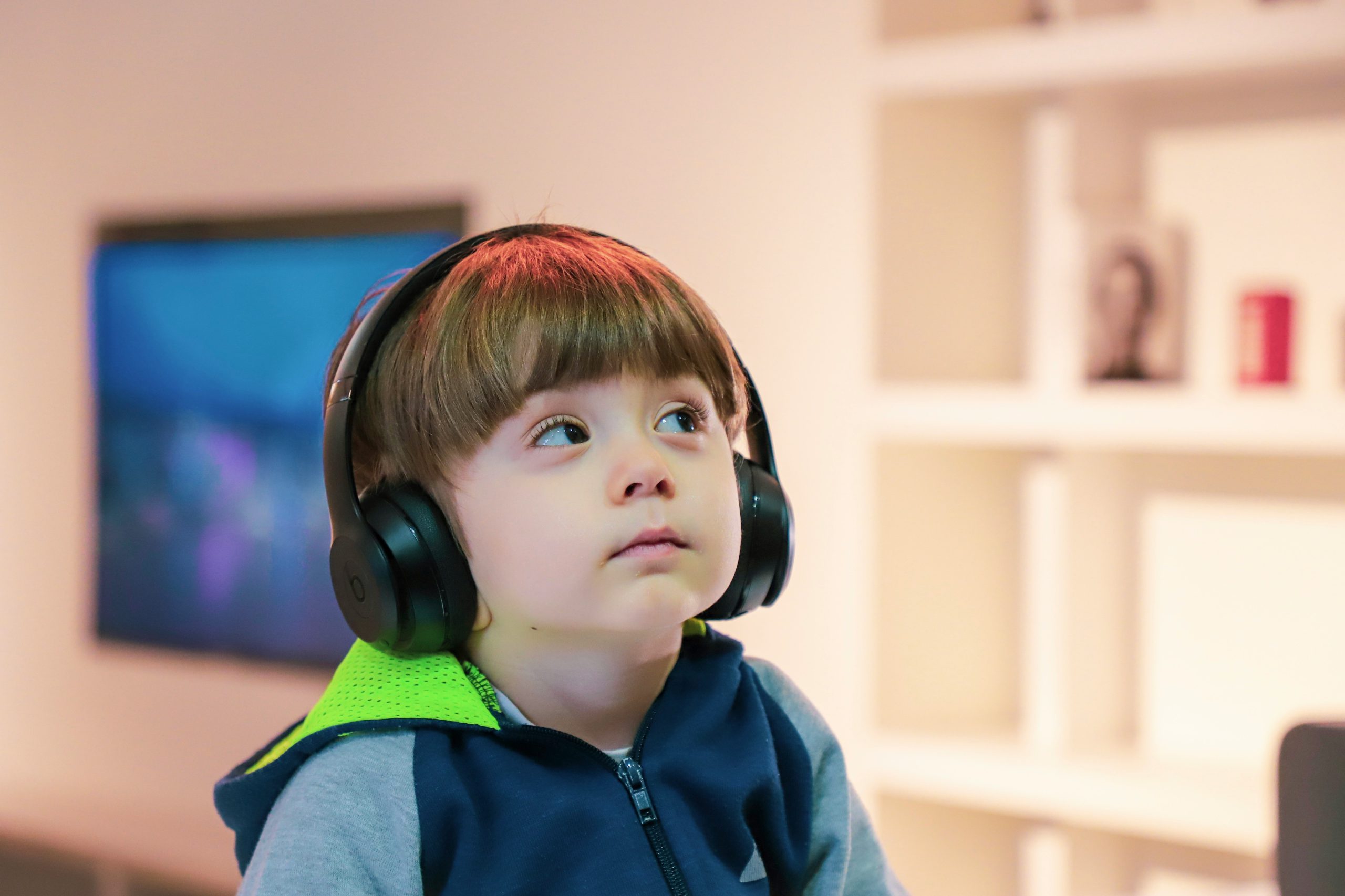
Autism is a neurodevelopmental condition that affects:
- Communication
- Social interaction
- Behavior
- Motor skills
It is called a spectrum because symptoms vary from mild to severe
Why Does Autism Happen?
The exact cause is not fully known, but research suggests:
Genetic factors
Brain development differences
Environmental influences (not parenting style)
Early Signs & Symptoms of Autism
1. Social Interaction Difficulties :
- Avoids eye contact
- Does not respond to name
- Prefers to play alone
- Difficulty understanding emotions
2. Communication Challenges :
- Delayed speech or no speech
- Repeats words (echolalia)
- Difficulty expressing needs
- Limited gestures (no pointing, waving)
3. Repetitive Behaviors :
- Hand flapping, rocking
- Lining up toys repeatedly
- Strict routines (gets upset with change)
4. Sensory Issues :
- Over-sensitive to sound, light, touch
- Covers ears frequently
- Avoids certain textures or foods
5. Motor Development Issues :
- Poor balance and coordination
- Delayed milestones (sitting, walking)
- Toe walking
Physiotherapy plays a major role in improving physical and functional abilities, especially in children with delayed motor development.
1. Improving Gross Motor Skills :
- Activities like jumping, running, climbing
- Helps improve coordination and strength
2. Balance & Posture Training :
- Exercises using therapy balls, balance boards
- Helps reduce frequent falls and clumsiness
3. Sensory Integration Therapy :
- Controlled exposure to sensory inputs
- Helps child tolerate sounds, textures, touch
4. Improving Muscle Tone & Strength :
- Strengthening weak muscles
- Improving endurance for daily activities
5. Gait Training :
- Correcting walking patterns like toe walking
6. Enhancing Daily Functional Skills :
- Sitting tolerance
- Playing ability
- School readiness
Home Exercises for Children with Autism
Parents can support therapy at home with simple activities:
- Ball sitting and bouncing
- Jumping games
- Obstacle courses using pillows
- Crawling activities
- Throw and catch games
When Should You Visit a Neuro Physiotherapist?
You should consult a Neuro Physiotherapist if your child:
- Has delayed milestones
- Shows poor coordination
- Walks on toes
- Avoids interaction
- Shows repetitive behaviors
Early physiotherapy intervention leads to better long-term outcomes.
Autism is not something to fear—it is something to understand and manage with the right support. With early diagnosis and proper physiotherapy treatment, children with autism can achieve significant improvements in their physical and functional abilities.
If you are looking for autism physiotherapy treatment in Pune, early assessment and guided therapy can make a life-changing difference.
We at Rehab Station pro-actively start with the entire rehab journey and plan goals month wise and stage wise to get certain things aligned viz. Free movements in bed, Reducing clumsiness while standing to promote weight bearing which in turn provides room for reaching tasks and also triggering balance centres of the brain, ear and joints collectively. Our specialized machines from USA help achieve goals at a faster rate like Wireless Professional NMES/FES stimulator to help with muscle firing and correcting wrong movement patterns. The placement and correct dose helps the child to do workout in a fatigue free zone and yet gets the work done.
Talking about strength the next in line comes BALANCE, and how can we forget the fact that to label someone as independent and energetic we need to work on Balance which is trained for by our very own HUBER
360 ( a revolutionary device in the field of Balance and Vestibular Rehab) providing 8 directional pertubation platform to simulate a natural reaction response to falls helping us with diagnostics as well as treatment guide to your fear of fall.