
Back pain has quietly become one of the most common health issues worldwide. Although many people blame long desk hours, heavy lifting, stress, or poor posture, the truth is that our spine absorbs the effects of these habits daily. As a result, most individuals rely on quick fixes like painkillers, massages, heat packs, or rest. However, these solutions only offer short-term comfort. Eventually, the real problem resurfaces.
This is where physiotherapy becomes truly valuable. Instead of chasing the pain, it focuses on identifying and treating the root cause. As a result, your spine can heal naturally, regain strength, and stay healthier in the long run.
Why Treating Only the Pain Isn’t Enough
Pain works like your body’s alarm system, signaling when something is wrong. However, the area where you feel pain is not always where the issue originates.
For example:
- You may feel lower back pain, yet the true cause could be weak core muscles.
- Your neck may hurt, but rounded shoulders from laptop use might be the source.
- Sciatica may appear as leg pain, although the stiffness comes from the lower back or hips.
When you rely only on painkillers or rest, you are essentially muting the alarm. Eventually, the discomfort returns, sometimes worse than before. Physiotherapy, however, aims to turn off the alarm by addressing what triggered it — not the noise itself.
How Physiotherapists Identify the Root Cause
A physiotherapist evaluates your condition like a detective, and importantly, they look beyond obvious symptoms.
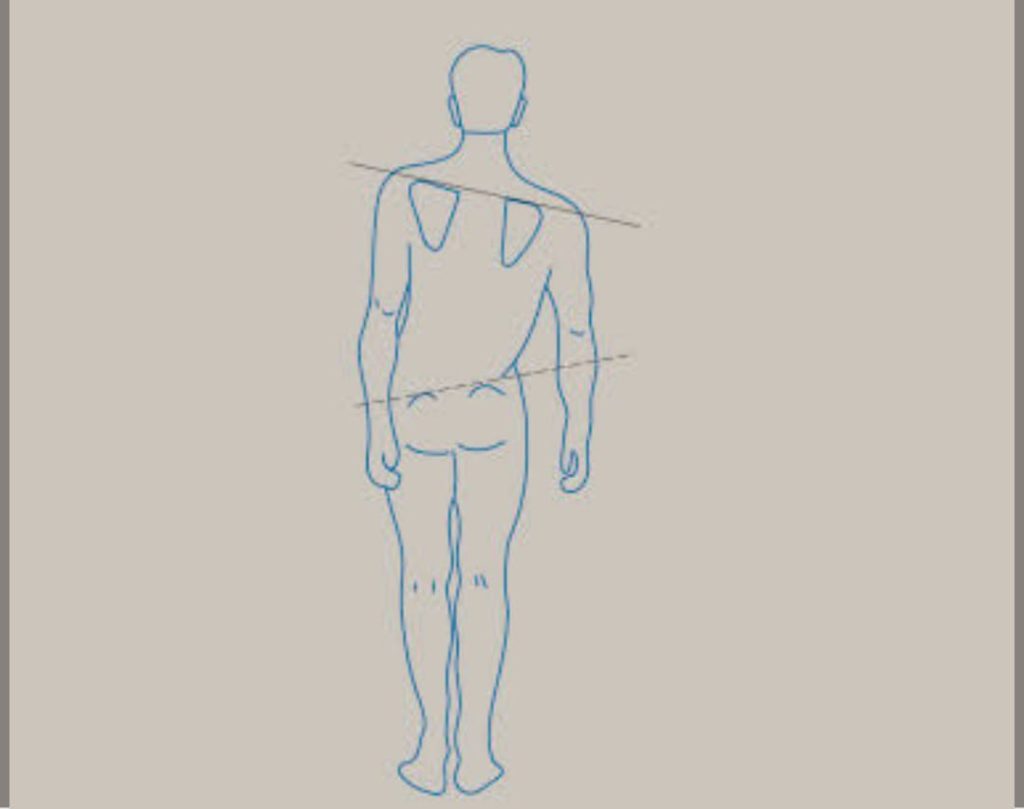
Posture Analysis

Poor posture is one of the most common contributors to spine pain. Therefore, a physiotherapist observes how you sit, stand, walk, and even sleep.
Muscle Strength Testing
Weak core, hip, or back muscles often overload the spine. Identifying these weaknesses helps target the right exercises.
Flexibility & Mobility Checks
Stiff joints or tight muscles can easily shift the spine out of alignment. Moreover, lack of mobility increases strain during daily tasks.
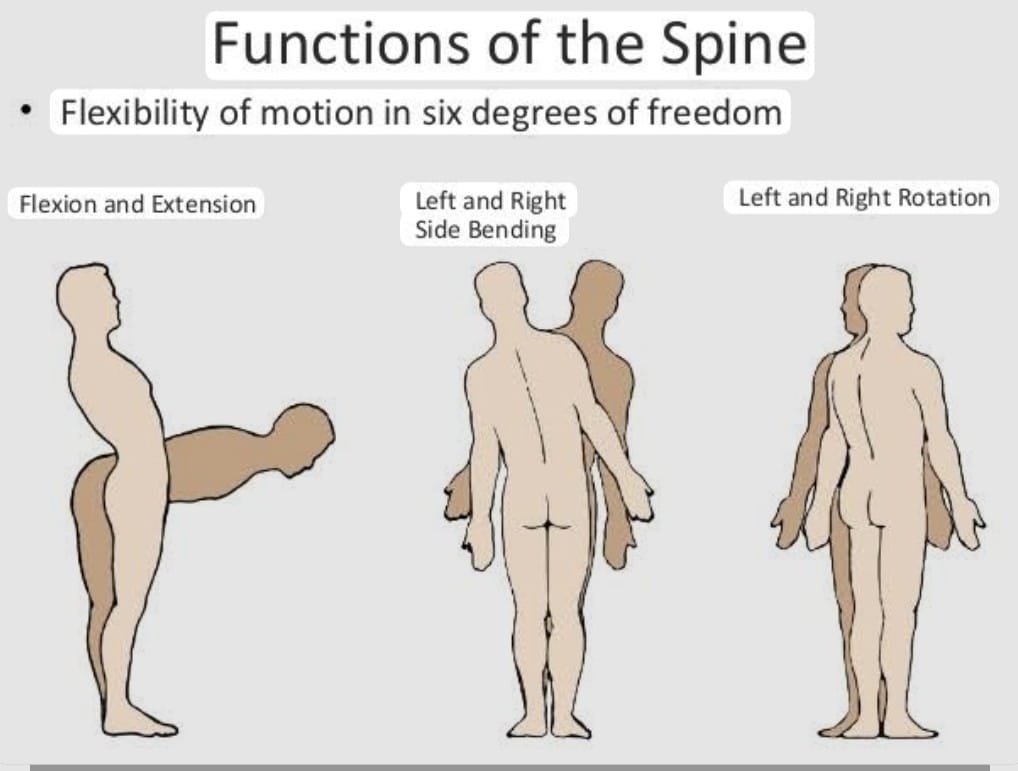
Functional Movement Assessment
How you bend, lift, twist, or reach often reveals hidden stressors. As a result, therapists can detect movement patterns you don’t notice yourself.
This detailed assessment allows physiotherapists to pinpoint the true cause of pain, rather than just treating the area that hurts.
Physiotherapy Techniques That Heal the Spine
Once the cause is identified, physiotherapists combine different techniques to restore spine health.
Manual Therapy
Hands-on techniques help reduce stiffness, improve circulation, and relax tight muscles. Mobilization, manipulation, soft tissue release, and trigger point therapy often provide immediate relief.
Corrective Exercises
These exercises strengthen weak muscles, improve flexibility, enhance posture, and stabilize the spine. Moreover, they are fully personalized.

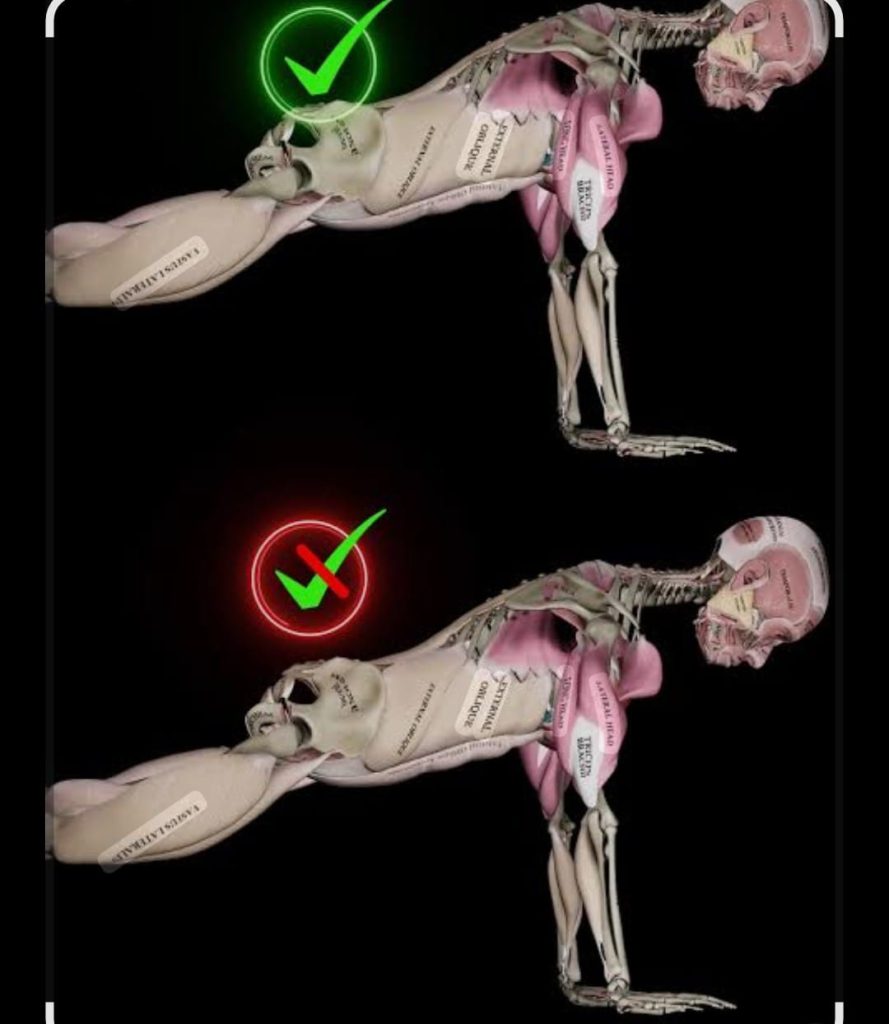
Core Strengthening
A strong core acts as the spine’s support system. Therefore, physiotherapy strengthens abdominal, hip, and lower-back muscles to reduce pressure.
Postural Training
Modern lifestyles encourage bad posture. However, physiotherapists teach simple corrections and ergonomic setups to protect the spine throughout the day.
Stretching & Mobility Work
Tight hamstrings, hip flexors, and chest muscles can pull the spine out of alignment. Regular stretching helps restore balance in the body.
Electrotherapy & Heat Therapy
These methods reduce inflammation and discomfort, supporting the overall healing process.
Education & Lifestyle Guidance
You also learn safer ways to move during daily tasks such as lifting, climbing stairs, or sitting. As a result, the chances of reinjury decrease significantly.
Common Spine Problems Physiotherapy Can Fix
Physiotherapy is a first-line treatment for:

- Low back pain
- Neck pain (Text neck)
- Sciatica
- Herniated or slipped discs
- Scoliosis
- Spinal stenosis
- Degenerative disc issues
- Posture-related upper back pain
Most of these conditions improve significantly with consistent physiotherapy. Moreover, many patients notice functional improvements within weeks.
The Long-Term Benefits of Treating the Root Cause
When the root cause of pain is corrected, long-term benefits naturally follow:
- ✔ Lasting pain relief
- ✔ Improved posture and alignment
- ✔ Better mobility and flexibility
- ✔ Stronger core and spinal stability
- ✔ Reduced dependency on painkillers
- ✔ Greater comfort in everyday activities
As a result, your overall quality of life improves dramatically.
Simple Daily Habits to Support Spine Wellness
Physiotherapy works best when supported by healthy routines. Fortunately, small changes make a big difference:
- Take a 5-minute stretch break every hour.
- Sit upright with relaxed shoulders.
- Use a supportive chair instead of a soft couch.
- Keep screens at eye level.
- Strengthen your core 3–4 times a week.
- Lift objects with your legs, not your back.
- Sleep on a firm mattress with proper pillow support.
In addition, maintaining these habits reduces the likelihood of future flare-ups.
Why Physiotherapy Should Be Your First Choice
Unlike temporary fixes, physiotherapy offers long-term, evidence-based healing. Moreover, it provides personalized care without side effects. Instead of treating the body like a machine, physiotherapy considers your lifestyle, work routine, stress levels, and long-term goals.
For anyone tired of recurring pain, physiotherapy is a safe, effective, and future-focused choice.
Final Thoughts: Heal Smarter, Not Harder
Pain may be the first sign you notice, but it rarely tells the whole story. Your spine deserves more than short-term solutions. By addressing the root cause, physiotherapy allows your body to heal naturally and stay strong for years.
If you’ve been living with back or neck pain, there’s no need to wait. Instead, choose physiotherapy. Choose long-term spine wellness. Choose to feel like yourself again.
-Dr. Mrudula Karmarkar (PT)