
Muscle Cramps: Causes, Prevention, and Physiotherapy
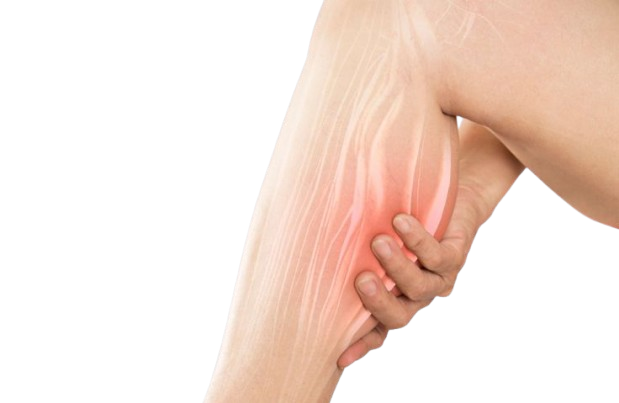
Muscle cramps are sudden, involuntary, and often painful contractions of a muscle or group of muscles. They most commonly affect the calves, thighs, feet, or hands and can last from a few seconds to several minutes.
What Causes Cramps?
- Dehydration: Low fluid levels disrupt electrolyte balance, impairing muscle function.
- Electrolyte Imbalance: Low levels of sodium, potassium, calcium, or magnesium can trigger abnormal muscle excitability.
- Muscle Fatigue: Overuse or prolonged exercise increases excitatory signals to the muscles, causing spasms.
- Poor Blood Circulation: Conditions like peripheral arterial disease can reduce oxygen delivery, leading to cramps.
- Nerve Compression: Lumbar spine disorders or peripheral neuropathies may provoke nerve related cramps.
- Medications: Certain diuretics, statins, or beta agonists can have cramps as a side effect.
Underlying Medical Conditions: Diabetes, thyroid disorders, or liver disease may increase cramp risk.
Physiotherapy Tips for Managing and Preventing Cramps
Physiotherapy can play a key role in addressing both the symptoms and root causes of cramps.
Stretching Exercises
Stretching Exercises
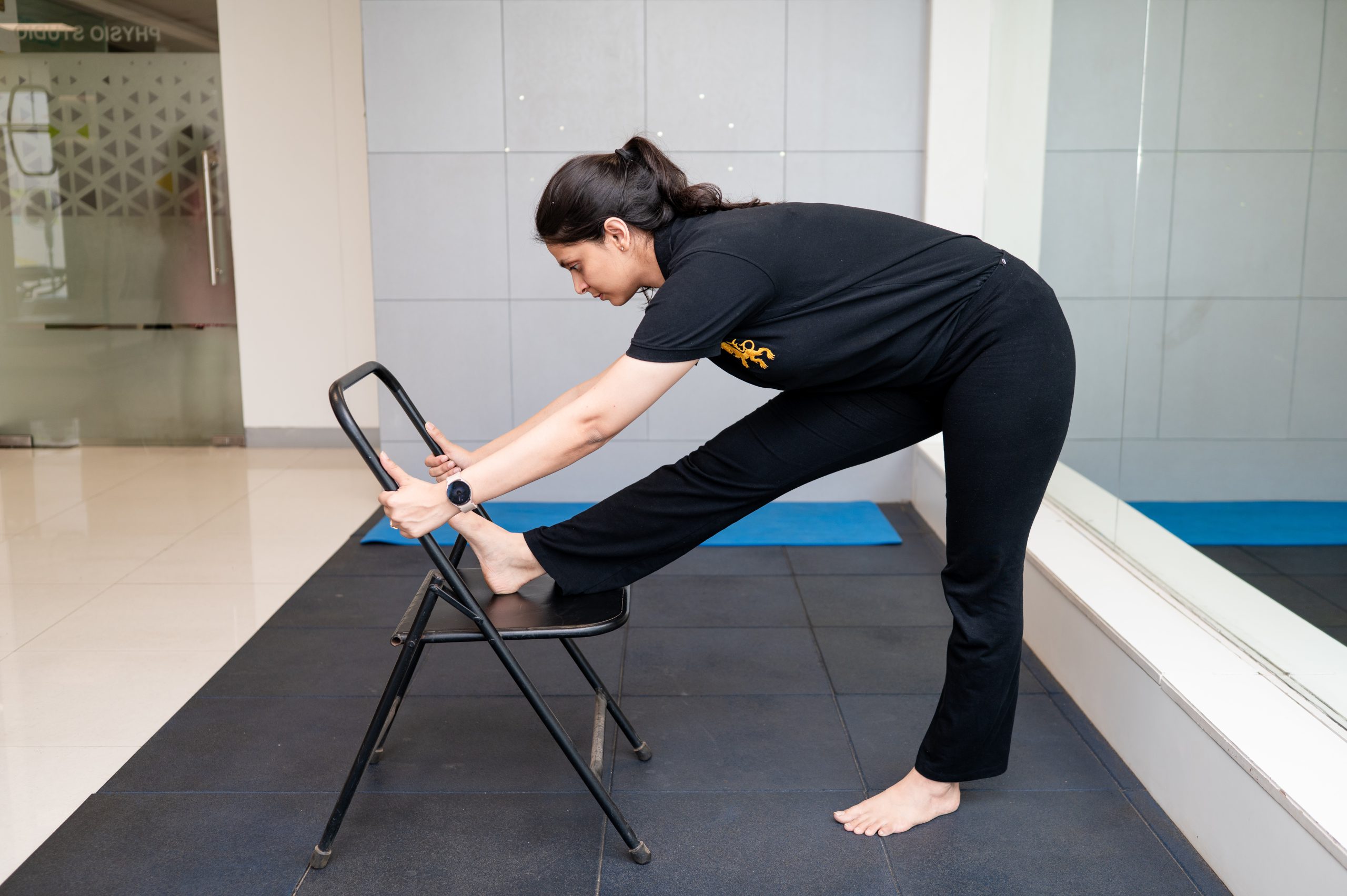
Regular static stretching, especially for the calf, hamstring, and quadriceps muscles, reduces cramp frequency.Perform gentle stretching before bed if nocturnal cramps are common.

Strengthening and Endurance Training
Strengthening and Endurance Training
Incorporate muscle endurance exercises to delay fatigue induced cramps.Gradual progression in activity intensity reduces overload on the muscles.
Hydration and Electrolyte Management
Hydration and Electrolyte Management
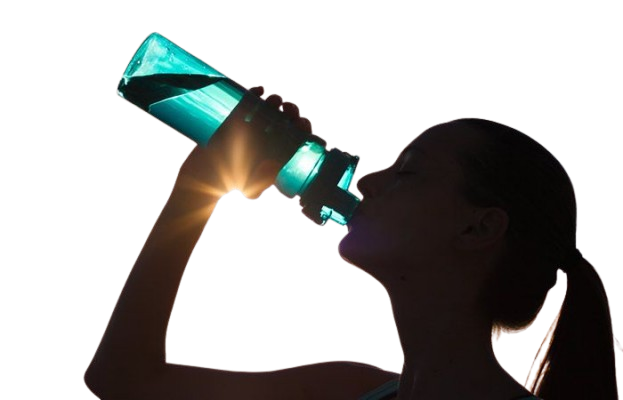
Maintain adequate fluid intake during physical activity.
Replenish electrolytes, particularly during long duration exercise or in hot environments.

Neuromuscular Re-education
Neuromuscular Re-education
For cramps related to nerve issues, targeted physiotherapy addresses abnormal nerve signaling and improves muscle control.
Soft Tissue Techniques
Soft Tissue Techniques
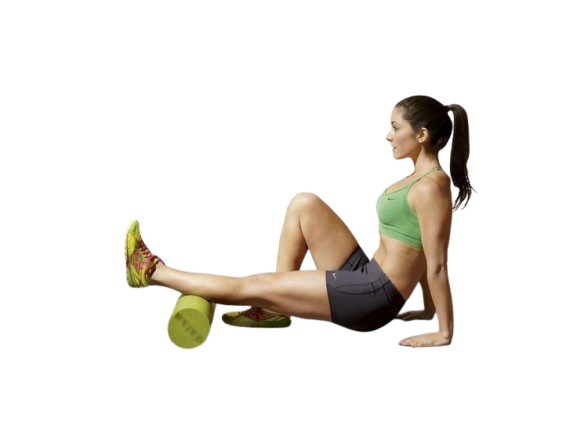
Manual therapy, including myofascial release, can alleviate tightness and prevent cramp prone muscles from becoming hyperactive.
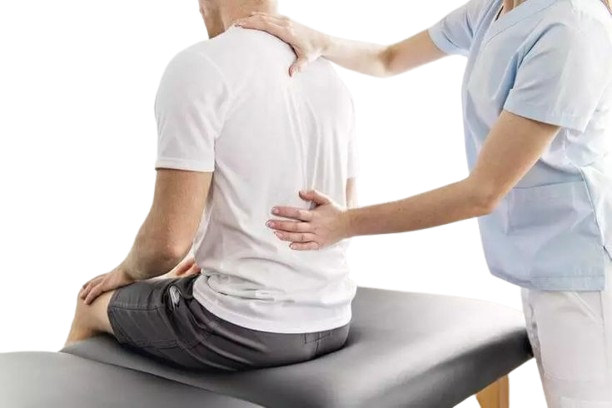
Postural Correction and Ergonomics
Postural Correction and Ergonomics
Addressing biomechanical imbalances can reduce abnormal muscle loading, especially in work or sport related cramps.

Warm-Up and Cool-Down Protocols
Warm-Up and Cool-Down Protocols
A structured warm up increases muscle temperature and flexibility, reducing the likelihood of cramps.
Cool down stretches help relax the muscles post-activity.
When to Seek Medical Attention
While occasional cramps are common, frequent or severe cramps may indicate an underlying medical issue. Seek professional evaluation if you experience:
- Persistent cramps despite physiotherapy and home care.
- Muscle weakness, atrophy, or sensory changes.
- Cramps associated with medication changes or new medical conditions.
If you are experiencing recurrent cramps, consult our physiotherapy team for a detailed assessment and a tailored management plan.